
The Western Folklife Center: A Cultural Hub in the American West
- Melanie Kimball
- Dec 19, 2025
- 2 min read
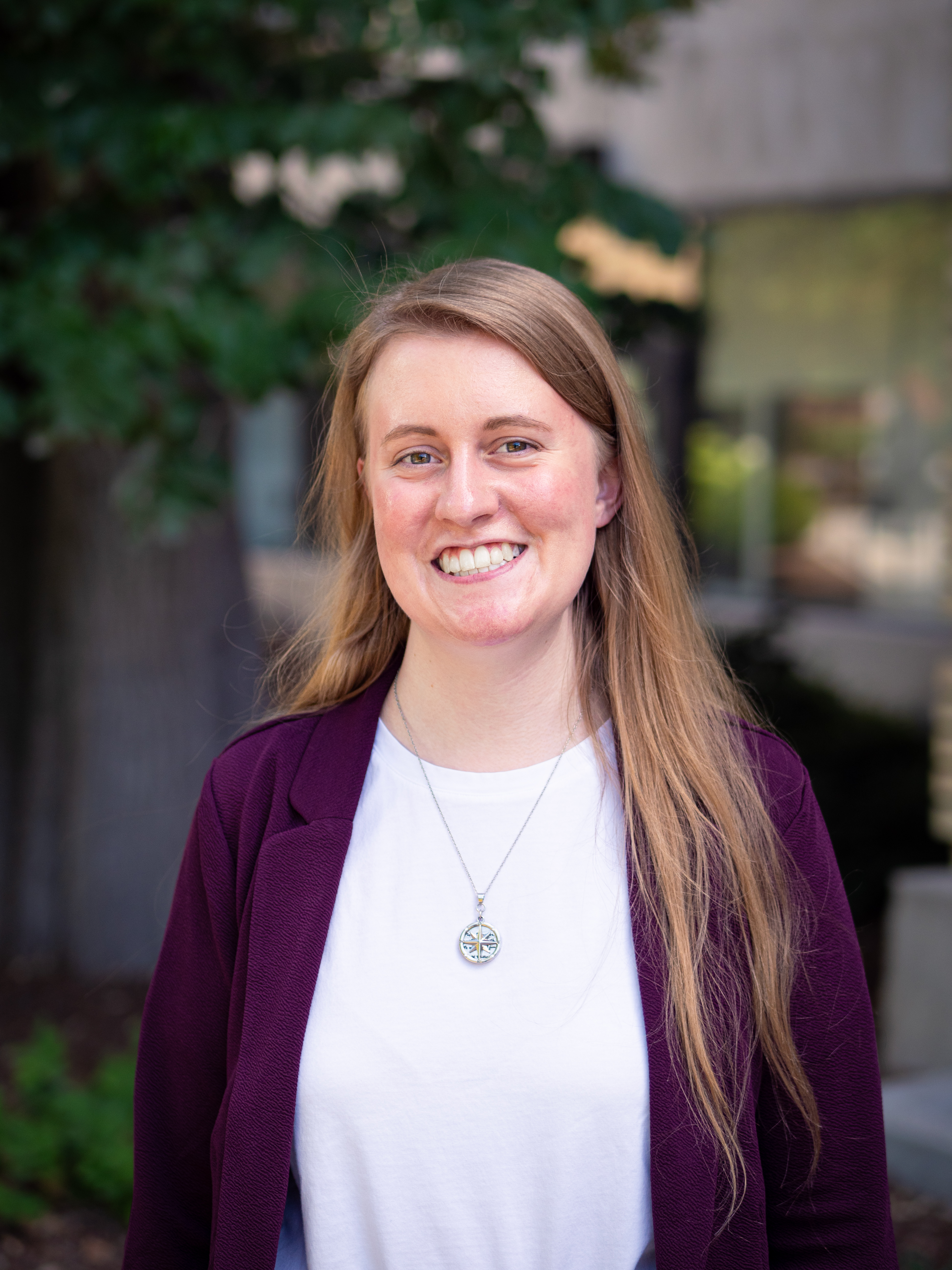
Article researched and written by Melanie Kimball, WSFS Student-at-Large (2025)

Founded in 1980 and headquartered in Elko, Nevada, the Western Folklife Center (WFC) has become an influential institution dedicated to the expressive traditions of the American West. While it’s best known for producing the annual National Cowboy Poetry Gathering, the WFC engages in a broad range of folklife documentation, presentation, and education initiatives designed to support and celebrate the diverse voices, stories, music, and occupational traditions that comprise the rural Western United States.
The WFC emerged from a desire to provide a space where ranching and rural communities could share their artistic and occupational traditions. What began as a gathering of cowboy poets became a nationally recognized festival celebrating Western lifeways through poetry, music, horsemanship, gear-making, storytelling, Indigenous performance, and culinary heritage. The Center quickly expanded into a year-round institution, fostering research, documentation, and public programming.
For professional folklorists, the WFC offers a case study of how regional cultural organizations navigate questions of representation, community engagement, and institutional longevity. Its programming combines festival production, archival preservation, media creation, and fieldwork-based community collaboration. Perhaps most importantly, the WFC foregrounds the voices and expertise of tradition-bearers.
The Center continues to evolve its strategies for engaging with the public. While the National Cowboy Poetry Gathering remains a flagship event, the WFC also maintains year-round exhibitions on regional culture and community arts, a substantial multimedia archive, educational resources for teachers and the public, and a growing set of digital initiatives. In addition, the Center continues to support working artists, gear-makers, and tradition bearers in the American West.
The WFC acknowledges and provides a space for diverse concepts of the “West.” The “West” is not a singular identity; the WFC emphasizes the complexity of the region. Rather than presenting the West as a static or singular cultural zone, the WFC’s programs frame the region as a site of ongoing negotiation—between tradition and modernization, rural and urban experience, and the multiple occupational, ethnic, and linguistic groups that shape Western lifeways, including Indigenous, Black, and Mexican American communities.
For folklorists interested in public practice, cultural policy, or regional arts infrastructure, the Western Folklife Center illustrates the possibilities of sustained, community-centered institutional work. Its commitment to documenting and presenting Western rural expressive culture highlights the role it and similar organizations play in both stewarding and challenging public conceptions of folklore.
Author Bio:
Melanie Kimball is a current PhD student in Indiana University’s folklore program. She holds an MA in folklore studies from Utah State University and a BA in English from Brigham Young University. Her interests include archives and public programming, ethnomusicology, supernatural legends, and Latter-day Saint folklife.
Citations:
Famartin. “The Pioneer Hotel and Western Folklife Center in Elko, Nevada,” Wikimedia Commons, 16
Mar. 2015. Accessed 2 Dec. 2025.
Western Folklife Center. “New at the Western Folklife Center.” Western Folklife Center, Nov. 2025.
Accessed 2 Dec. 2025.


Comments